How to Remove Stubborn Oven Grease, Limescale & Bathroom Mould — Expert Methods – Ensuring your home is spotless can often feel like a losing battle, particularly when tackling stubborn oven grease, hard-water limescale and that unshakeable bathroom mould. These prevailing problems can make surfaces unappealing and unhygienic in appearance and poor for indoor air quality. In fact, studies show that in the US, dampness and mould affect up to 47% of homes, while around 55% of UK households admit to poor indoor air quality due to condensation and mould-related problems, with a particular presence in bathrooms and kitchens.
In this exhaustive guide, we’ll take a deep dive into expert cleaning methods — not only natural ones that are free of chemicals but also targeted removal techniques that will get the job done when regular cleaning doesn’t. You’ll discover how to clean your oven naturally, the best way to remove limescale from taps and showers, as well as safe ways for cleaning black mould in the bathroom. And I’ll add useful information, comparison tables and practical cleaning tips so you can tackle these cleaning headaches once and for all.
Understanding the Grime: Key Facts at a Glance
- Some 50% of Australians disclosed having lived with mould or dampness in the home over the past year, with 34% reporting visible mould itself — suggesting how common this issue is on a national level. Asthma Australia
- The World Health Organisation (WHO) states that between 10 and 50% of Australian homes have a mould problem – an observation that suggests climate and humidity affect mould growth indoors. Healthylife
- Data on rental housing has indicated that 27% of renters report mould-related problems, and dampness was mentioned by 21%, indicating some degree of structural and ventilation-related issues contributing to the presence of moulds. pittwateronlinenews.com
- The conditions following a flood, most notably in Queensland and NSW, cause indoor moisture and mould risk levels to soar – relevant for many coastal and east coast homes.
- Persistent mould and damp conditions could be costing Australian health systems – and households – a fortune (in long-term health consequences, structural repair costs).
Expert Cleaning Methods for Oven Grease
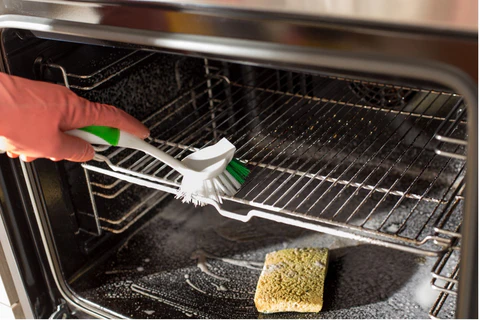
How Do You Clean An Oven Without Chemicals?
If you would prefer to avoid a noxious spray, consider this kitchen-friendly approach:
Ingredients: Baking soda + water+ vinegar/lemon Steps to be followed:
Steps to be followed:
- Sprinkle baking soda on the greasy areas.
- Create a paste using a little water and apply it, leaving it on for 15–20 minutes.
- Spritz or splash white vinegar, or rub with half a lemon.
- Scrub gently with a sponge and rinse thoroughly.
This approach is successful because grease dissolves naturally — baking soda is abrasive; vinegar or lemon is acidic and will dissolve the hard oils.
“Lemons are not only for the kitchen — citric acid is a wizard at blasting through baking oven grease deposits, with results just as great, but none of those toxic fumes from chemical cleaners.”
How to Remove Limescale from Taps and Showers — Natural & Best Ways Compared
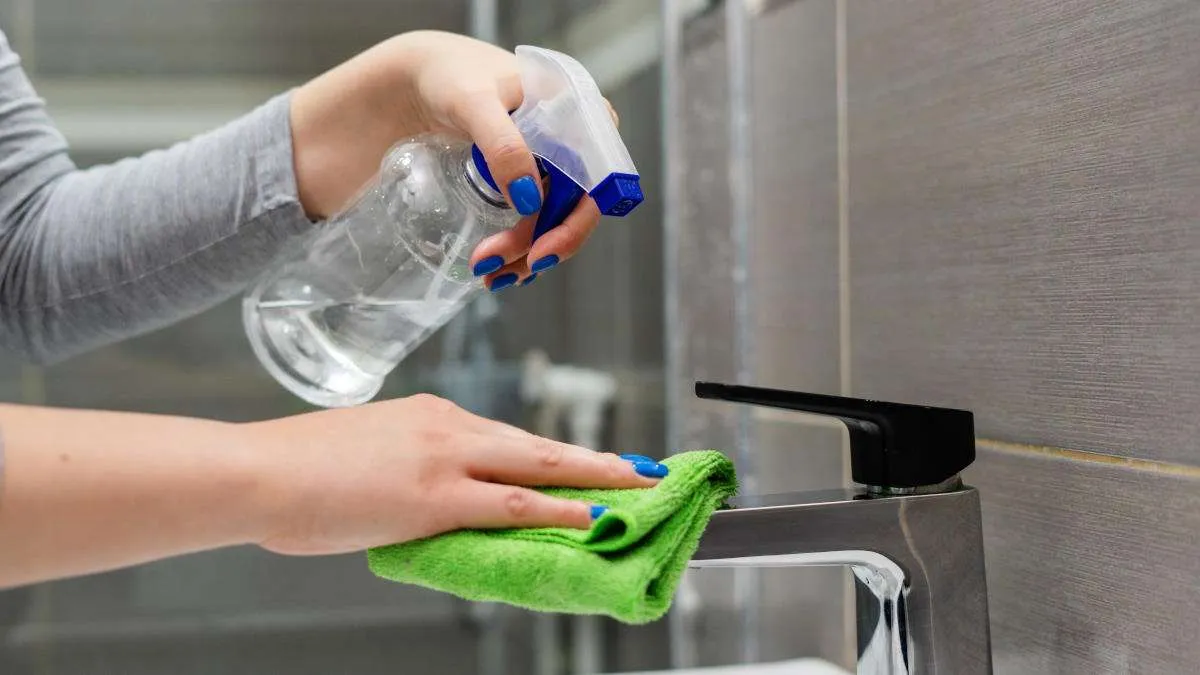
Here we provide you with a simple comparison of natural vs. traditional techniques for limescale:
| Method | Ingredients/Tool | Effectiveness | Surface Safety |
| Vinegar soak | White vinegar cloth wrap | ⭐⭐⭐⭐ | Safe on chrome, tile |
| Lemon juice | Fresh lemon + scrub | ⭐⭐⭐ | Great scent, gentle |
| Baking soda paste | Baking soda + water | ⭐⭐⭐ | Abrasive; good on sinks |
| Toothpaste | Dab + scrub | ⭐⭐ | Mild |
| Commercial descaler | Store product | ⭐⭐⭐⭐ | Works faster, cautions on finish |
Here we provide you with the best way to remove limescale from taps and showers naturally:
- Apply a vinegar-soaked cloth as a compress for 30–60 min.
- Then scrub softly and rinse while buffing on for shine.
Pro tip: A zip-locked sandwich bag of vinegar around a shower head is the only way to travel with jets and nozzles.
How to Clean Black Mould in the Bathroom Safely
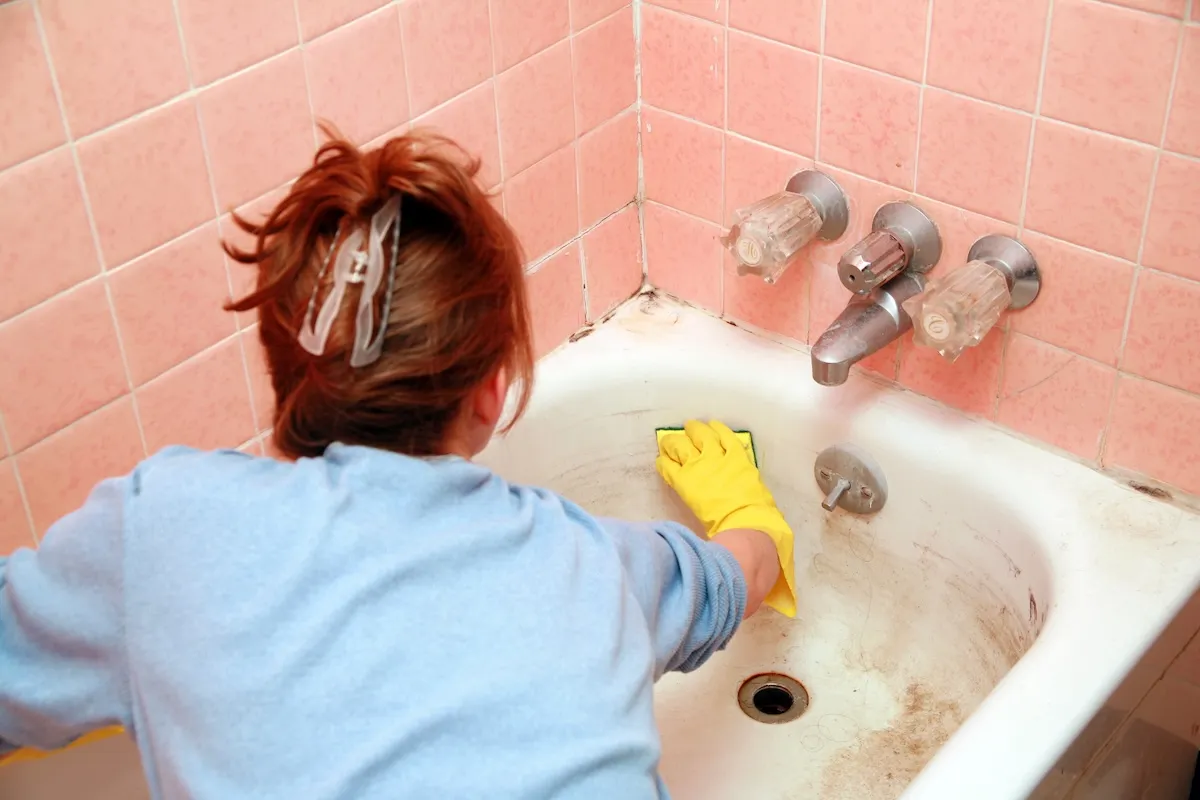
Black mould is unappealing and unhealthy. A survey showed that up to 41% of bathrooms had visible mould, much of it the result of accumulated moisture.
Natural Mould Removal Methods for Bathrooms
Option 1: Vinegar Spray
- Combine undiluted white vinegar in a spray bottle.
- Soak mould spots and let stand 1 hour.
- Scrub with a brush and rinse.
Option 2: Baking Soda Paste
- Combine baking soda + water until you get a paste.
- Rub over the mould, scrub after 15 minutes, and wash.
Option 3: Lemon Juice + Sunlight
- And lemon juice can be used to treat mould, and the sun drying effect bleaches what’s left behind
- Rinse and dry.
For toxic or severe black mould, professionals recommend targeted chemical treatments or professional removal. Be sure to always wear gloves, have plenty of ventilation and not mix cleaners, such as bleach with ammonia.
Preventive Tips That Really Work
Bathroom Mould Prevention Tips
- Ventilate: Utilize exhaust fans or open windows following showers.
- Pat the skin dry with a towel after showering.
- Reduce humidity with dehumidifiers.
- You can use a squeegee on glass doors to help prevent water buildup.
- Seal grout lines to prevent moisture from entering them.
These habits disrupt the moisture cycle upon which mould thrives.
Cleaning Hacks for Everyday Use
| Cleaning Problem | Chemical-Free Solution | Recommended Frequency |
| Oven grease | Baking soda + lemon | Monthly |
| Limescale | Vinegar soak | Weekly |
| Bathroom mould | Vinegar spray | Bi-weekly |
| Showerhead scale | Vinegar bag soak | Monthly |
| Tap mineral ring | Lemon + baking soda | Weekly |
Conclusion
Mastering a few expert cleaning hacks doesn’t mean making use of harsh chemicals or expensive products — just the right techniques and consistency. How to clean the oven without using harmful chemicals, best ways to get rid of limescale on taps and showers, and safe solutions for cleaning the grout from your bathroom wall tiles have all been added to a cleaner’s housework plan.
If you prefer to leave the hard work up to a professional team that brings back results with accuracy, then look no further than All Bond Clean Brisbane for deep cleaning and mould-removing expert service – so that your place continues to stay sparkling clean, hygienic and fresh always.
FAQs
What is the best way to clean oven grease without using chemicals?
The natural way to get burnt grease off the oven is by mixing baking soda in water, then applying the paste on greasy spots, and leaving it for 15-20 minutes. Spray with vinegar, scrub lightly, and wipe clean. This is a method cleaning experts recommend for enamel and stainless-steel ovens.
What is the best way to clean limescale from taps and showers in Australia?
The easiest way of cleaning limescale from your taps and shower is by leaving the area soaked with white vinegar for 30 – 60 minutes. Hard or moderately hard water occurs in many Australian households and is responsible for mineral deposits. By the way, swings are really good for chipping of calcium deposits with vinegar!
Is hard water the cause of limescale issues in Brisbane homes?
Yes. Brisbane has a degree of water hardness, the minerals in hard water result in limescale that will accumulate on taps, shower heads, kettles and bathroom fixtures. Vinegar or lemon juice: Regular descaling prevents long-term damage and maintains fixtures’ like-new look.
How can I safely remove black mould in the bathroom?
If you’re working out how to get rid of black mould in the bathroom, opt for white vinegar or baking soda over harsh chemicals. Spray vinegar straight onto the mould, set aside for one hour, then scrub and rinse. It is very important to wear gloves while cleaning and also create great ventilation.
Does natural mould removal work for bathrooms?
Natural bathroom mould removal techniques will work on early-stage mould. Use vinegar, bicarb of soda and lemon juice: to kill mould spores and deter regrowth. But you should get professional help if the mould is extensive or widespread.