
When you are moving out of a rental house, it can be really stressful if your landlord wants to take money from your bond. Most of the time, tenants will not know what is fair or unfair about getting money taken out of their bond. The positive side is that most bond disputes can be worked out by just communicating calmly to the landlord and having the right preparation.
The way to save yourself from losing money is understanding your rights and learning how to negotiate. This guide will show you some good and easy ways to help you successfully negotiate bond deductions with your landlord.
In this blog, we will talk about how to Negotiate Bond Deductions with Your Landlord
What is a Bond Deduction?

A lease bond is a security deposit that is paid at the beginning of a lease. After the tenant has moved out and there are unpaid utility bills, damage to the property, missing items or cleaning issues, the landlord may claim money from the bond for these.
But there are certain issues that do not qualify for a deduction. Normal wear and tear from normal use of the premises is the responsibility of the landlord.
Some examples of what is considered normal wear and tear include the following:
- The fading of paint as a result of sunlight
- Carpets are slightly worn from standard use
- Minor scuff marks on the walls
These types of things are typically called normal aging of a property and are not considered tenant damage.
Most Common Reasons for A Rental Property Manager to deduct from the bond security deposit

Let us look at the reasons for bond security deductions from landlords or property managers. And Understand the Most Common Issues Landlords Use To Claim Bond Money.
Cleaning problems
Cleaning issues are the main reasons for bond deductions. Tenants do not clean the property deeply as needed. This causes the bond deductions. Tenants do not follow the checklist and the house is not properly cleaned.
Cleaning Claims Examples:
- Kitchens and Bathrooms are Not Cleaned properly
- Carpets With Stains and pet hair
- Surfaces With Dust Expelled On Them
- Excess oil and Greasy ovens
- Tenant Damage Claim
Damaged property
The landlord can make a claim for damage to the rental property incidentally caused by wear and tear if this damage falls outside the normal use of that property. It is damage that is visible to the eyes and needs to be fixed or replaced.
Examples of Damage Claims:
- Broken Window/Door can be repaired or replaced as per its condition.
- Holes in the walls that look bad
- Damaged Door handles
- Burn Marks On Carpet
- Unpaid Rent And Other Charges
Unpaid rents and bills
If the tenant owes any rent, utilities, or water, the landlord will make a claim to reclaim these expenses from your bond account.
Missing Items
If furnishings, keys, remote controls, or appliances are missing, the landlord’s claim may be valid. You need to keep the household items in there palace and do not damage or misplace them.
Keep the Condition Report for The Rental Property

When negotiating a bond claim, the most powerful piece of evidence you have is your original entry condition report and the condition of the property when the tenant moves out.
When comparing the original condition report with the property condition you are moving out of, look for:
- The Existing Damage There Were Mentioned On Original Condition Report
- All Of The Stains That Were Mentioned On The Original Condition Report
- Worn Carpets/Paint (Both Interior And Exterior)
- Condition Of Appliances
Any damage that existed prior to the tenant moving in is usually not the tenant’s responsibility for payment.
Photographs Are the Best Evidence Of Rental Condition
Always take photographs and/or videos of the rental property before returning the keys to the landlord. You should take clear photos of every room, corner, and hidden area. Cover all the parts of the house and make videos to provide the proof. Take photos of windows and walls along with the outdoor area and bathrooms. Keep the images detailed and clear to show them at the end.
Ask for every detail from the landlord
If your landlord is claiming part of your bond, request itemized information listing the deductions your landlord is making before making any adjustment to your rental bond.
An itemized statement should show the:
- What they’re claiming for the bond deduction
- The cost of repair and cleaning
- A copy of the invoice/quotation
- Photos of the damaged part or area
Vague words such as “general repairs” or “extra cleaning” should not be used, as you should be provided with a detailed reason why the deduction of money is being made.
Stay Calm and Professional
Many bond disputes escalate due to emotional responses. You should refrain from using aggressive language or arguing with your landlord when you do not agree with them.
Instead, you should:
- Be polite
- Be clear in your communication
- Use fact/evidence-based communications
- Respond to written communications whenever possible
A professional manner of communication should create a quicker and more favourable outcome.
Understand the Difference between Damage and Wear and Tear
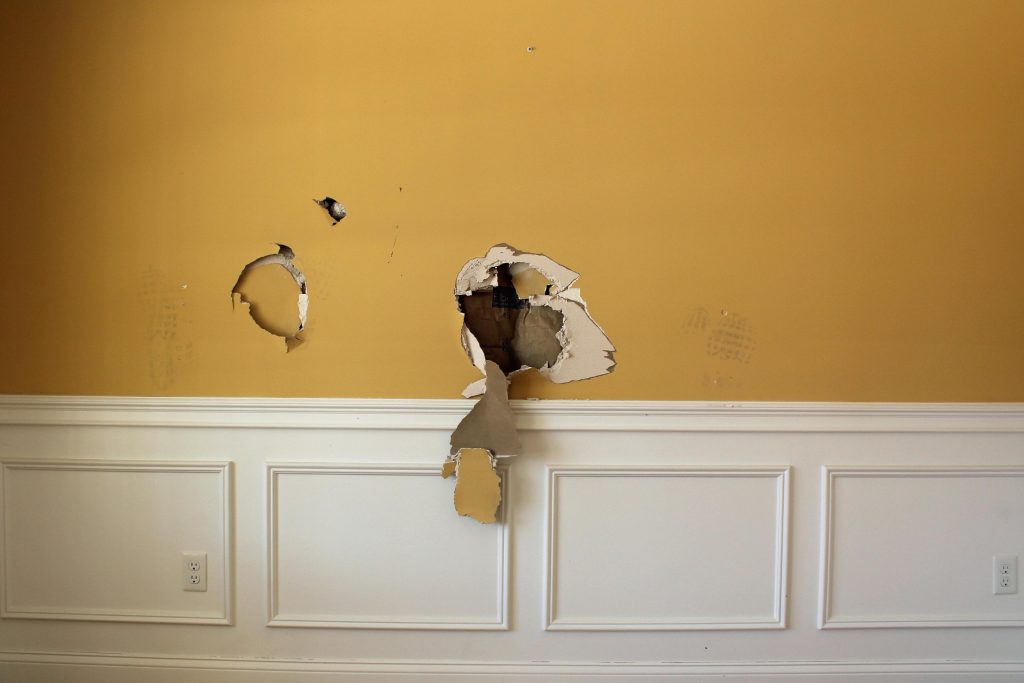
Understanding the difference between damage and general wear and tear on the property is one of the most important considerations when negotiating your bond claim.
Normal Wear and Tear
Normal wear and tear is the result of ordinary use of a home as it ages or over time through normal daily usage.
Examples would include:
- Loose door handles
- Carpet worn in walking areas
- Faded curtains
- Minor damage to walls
Tenant Damage
Tenant damage is caused by use, neglect, or accident.
Examples would include:
- Holes in walls
- Broken appliances/fixtures
- Pet damage
- Heavy staining
A landlord typically can only charge the tenant for actual damage caused by the tenant.
Provide Practical Solutions
Sometimes compromise will work better than having a dispute. If you both think there is a minor issue, you could consider providing a reasonable solution to show good faith and to possibly help prevent larger deductions from being taken. You may agree to replace a damaged item or provide partial compensation for some repairs.
Comparing Repair Costs
With respect to the owner, a landlord should charge tenants reasonable repair costs, not excessive repair costs.
If you find that the repairs you were quoted are too high:
- Ask to see several examples of estimated repairs
- Look into local average repair costs
- Ask to see any invoices or receipts for costs
You may find out that the amount claimed is much higher than the actual cost.
Attend the Final Inspection
If you can, attend the final inspection of the unit with the landlord or property manager.
You will get an opportunity to:
- Raise any concerns at that moment
- Fix any little problems quickly
- Clarify anything that may have been misunderstood
- Prevent any unexpected deductions at a later time
- Simple issues can often be resolved immediately.
- Rental Bond Deductions
Blockquote
A successful bond negotiation starts with clear evidence, calm communication, and knowing your tenant rights.
Conclusion
Having a bond deduction negotiation can be easy and smooth. You do not have to do it stressfully and with panic. Make sure you have the right evidence and claims to make your point stronger. Make sure to read the report carefully and have the right knowledge and understanding about the bond deductions. Having a fair negotiation with the inspection manager can help you get the right price for the negotiations.
All Bond Clean Brisbane provides the best bond cleaning services and guarantees the full bond refund. Feel free to know more about their services.
Contact details
Company name – All Bond Clean Brisbane
Address – 204 38 Bryden St, Windsor, QLD 4030
E-mail – info@allbondcleanbrisbane.com.au
Phone – 0479 183 820
Frequently asked questions
Which company provides the best bond cleaning services?
All Bond Clean Brisbane provides the best bond cleaning services at reasonable prices.
Is the normal wear and tear counted in bond security deductions?
You are not charged for normal wear and tear. These are done by the time and they have faded or torn off naturally.
Can I raise a request against the bond deductions that I feel are unfair?
You can do that by providing the proof and other documentation to the landlords or to the higher authorities.
Can the pictures of the property help during the bond deduction disputes?
They are the main evidence that supports your point. Clear videos and photos are proof that you have cleaned properly.
Can I negotiate a repair amount to pay for repairs incurred to the premises with my landlord?
Yes. You may obtain multiple repair estimates if you think you have been charged too much by your landlord and discuss/resolve an appropriate amount with your landlord.
What do I do if my landlord and I cannot come to an agreement regarding the bond deduction?
You can always contact your state’s tenant advocacy organization or a local court to inquire about resolving tenant/landlord disputes through mediation, arbitration, or other means.